
Understanding the Risks: Moving Generators by Vehicle
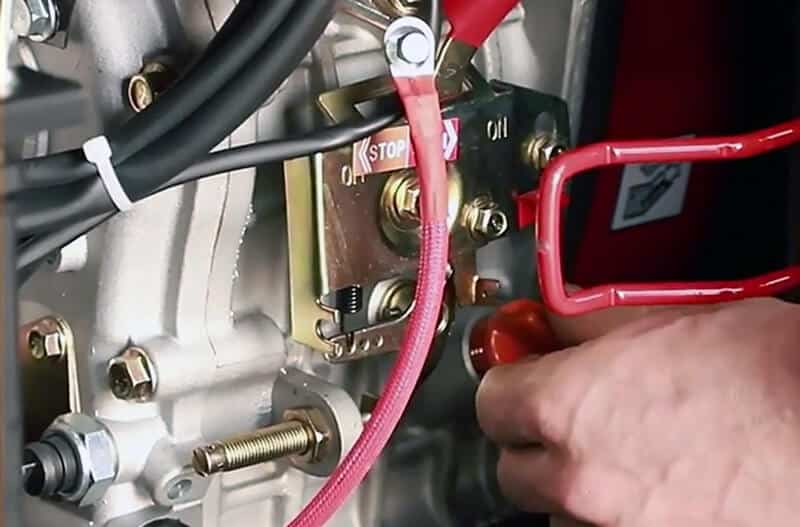
Generators are a trusted source of backup or off-grid power, but they’re heavy, fuel-powered machines that require careful handling when moved from place to place. Whether you’re a camper, tradesperson, festival organiser or simply someone who needs to transport a generator for an emergency, knowing how to do it safely is vital.
Generators contain flammable fuel, oil and batteries, making them very different to simply loading a toolbox or piece of furniture into a car or van. A small oversight can lead to fuel leaks, fire hazards or damage to the machine itself. Understanding the risks and best practices can help you move your generator without incident and ensure it’s ready to run when you need it.
Why Generators Need Special Care When Transported
Unlike many pieces of equipment, generators usually carry their own supply of fuel — petrol or diesel — and lubricating oil. In some cases, they also contain lead-acid starter batteries. All three pose a safety concern during transport.
Petrol, in particular, is highly flammable and its vapour can ignite if exposed to a spark in an enclosed vehicle. Diesel, although less volatile, still needs to be treated with respect. Oil leaks can create mess and damage other cargo or vehicle interiors.
In addition, a generator is usually heavy and awkwardly shaped. Even a small portable unit can weigh upwards of 20 kilograms, while larger models can easily reach a couple of hundred kilograms. If a generator is not secured properly in transit, sudden braking or an accident could send it crashing through the vehicle, posing a risk to passengers and other road users.
Planning Ahead: Preparing the Generator for Transport
Safe transport starts with good preparation. Many people overlook the fact that a generator’s fuel tank should ideally be empty before it is moved. While it’s not always possible to drain every drop, reducing the amount of fuel in the tank lowers the risk of spillage and vapour build-up.
Some generator manuals specifically advise draining fuel and oil for longer-distance moves or shipping. If your generator has a fuel shut-off valve, close it securely. For battery-equipped generators, disconnecting the battery can help prevent accidental sparks or shorts.
A quick inspection for any signs of leaks, cracks or loose caps is wise before you lift the machine into a vehicle. If your generator has been running, allow it to cool fully before handling. Hot surfaces can cause burns or ignite fuel vapours that have built up inside a vehicle.
Choosing the Right Vehicle for the Job
The type of vehicle you use makes a big difference to safety. Open-bed trailers or pickups are ideal for moving generators because they allow fumes to disperse into the open air rather than build up inside an enclosed space. Enclosed cars or vans can still be used safely, but extra care is needed to ensure adequate ventilation.
Consider the size and weight of the generator too. A compact car might handle a small inverter generator with ease, but larger models may exceed weight limits or be too awkward to load safely without lifting equipment. Always check your vehicle’s payload capacity before attempting to transport heavy machinery.
Securing the Load to Prevent Movement
Once inside the vehicle or trailer, the generator should be secured so it cannot shift during transport. Many people underestimate the force of sudden braking or sharp turns. Even a small unit can cause damage if it tips over or slides into other cargo.
Use ratchet straps, ropes or cargo nets rated for the weight of the generator. Anchor the machine to solid tie-down points in the vehicle. Keep it upright whenever possible to reduce the risk of fuel or oil leaks. If transporting more than one generator, space them apart to avoid knocking or scraping.
Protecting the surrounding area with padding or securing extra fuel cans in separate, ventilated containers can also help. Never store loose fuel cans inside the same compartment as passengers.
Ventilation: Reducing Fume Build-Up
Fumes are one of the biggest safety concerns when moving fuel-powered generators. In an enclosed space like a van or car boot, petrol vapours can build up without you noticing. A stray spark from static electricity or a vehicle’s electrics could ignite those vapours, with devastating consequences.
Where possible, keep windows open or use an open trailer for ventilation. For longer journeys, take regular breaks to check for any leaks or unusual smells. Never smoke near fuel-powered machinery in transit.
Unloading: Take Care on Arrival
When you reach your destination, unloading the generator safely is just as important as loading it. Generators can be awkward to manoeuvre due to their weight and shape. Use ramps, lifting equipment or an extra pair of hands to avoid back injuries or dropping the unit.
Before starting the generator, check for any signs of fuel leaks or damage. Make sure it’s positioned on level ground in a well-ventilated area. Refuelling should always be done outdoors with the engine switched off and cool.
Are There Legal Restrictions?
In the UK, there are rules around transporting hazardous substances such as petrol or diesel. For small quantities in sealed fuel tanks, private individuals generally do not need special licences or paperwork. However, if you’re transporting additional fuel containers, the combined volume must not exceed specified limits under the Carriage of Dangerous Goods regulations.
Commercial operators moving large or multiple generators, especially those carrying spare fuel, may need to comply with more detailed safety and documentation requirements. If in doubt, check the latest guidance from the Health and Safety Executive or your local council.
Keeping Your Generator Ready for Use
Transporting a generator safely is not just about getting it from A to B without incident. How you handle the unit on the road affects how reliable it will be when you reach your destination. Spilled fuel, loose parts or rough handling can cause problems later, so good practice pays off.
After transport, inspect your generator before use. Check that fuel and oil levels are correct, connections are tight and there are no signs of damage. If your generator was drained before transport, refuel it safely, taking care to use clean, fresh fuel.
The Right Equipment Makes a Difference
Manufacturers increasingly design generators with portability in mind. Many small to mid-size models come with sturdy frames, lifting points or built-in wheels to make moving them safer and easier. Purpose-made generator trailers are widely used by construction firms, event organisers and emergency planners to allow quick, safe transport of larger sets.
Investing in proper lifting gear or trolleys can reduce the risk of accidents when loading and unloading heavier units. If you regularly transport a generator, it’s worth looking into storage solutions that keep the unit upright, secure and ventilated.
A Safe Journey Means Reliable Power
Generators give people the freedom to access electricity wherever it’s needed — but that freedom comes with responsibility. Transporting fuel-powered machinery is not something to take lightly, whether you’re moving a small unit in your car boot or towing a heavy generator for an event.
By taking the time to plan your journey, secure the load properly, manage fuel safely and keep your equipment in good condition, you’ll protect yourself and everyone around you. When the time comes to fire up your generator at a campsite, work site or festival, you’ll know it’s been handled with the care it deserves — and that it will be ready to deliver the power you need.

